Nobody saw the little girl.
This is the story of a student who almost slipped through every crack the system had — and why she built the program she needed, for the kids who are in those cracks right now.
She was suffering, and it looked like a quiet kid.
Shayna grew up in the zip codes where a lot of students don't make it to college. Title I elementary school. Title I high school. Neighborhoods where the word "scholarship" didn't come up at the dinner table, because nobody had ever been handed one.
She had a learning disability nobody had named yet. Math felt like a language everyone else had been taught but her. Teachers saw a child who was behind. They didn't see a child who was drowning.
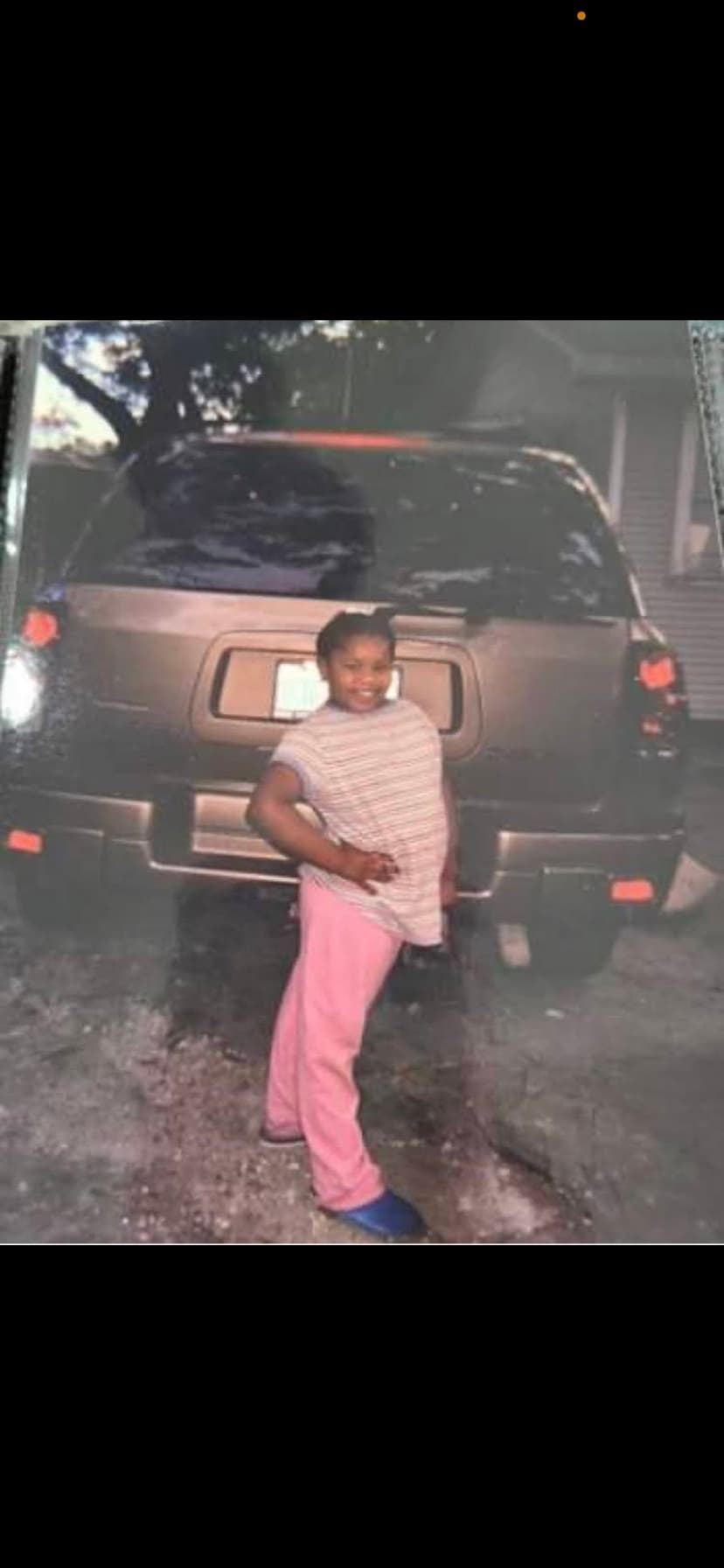
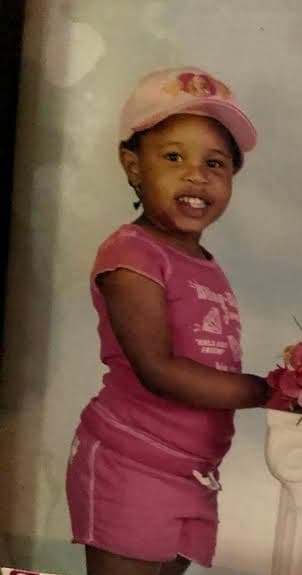
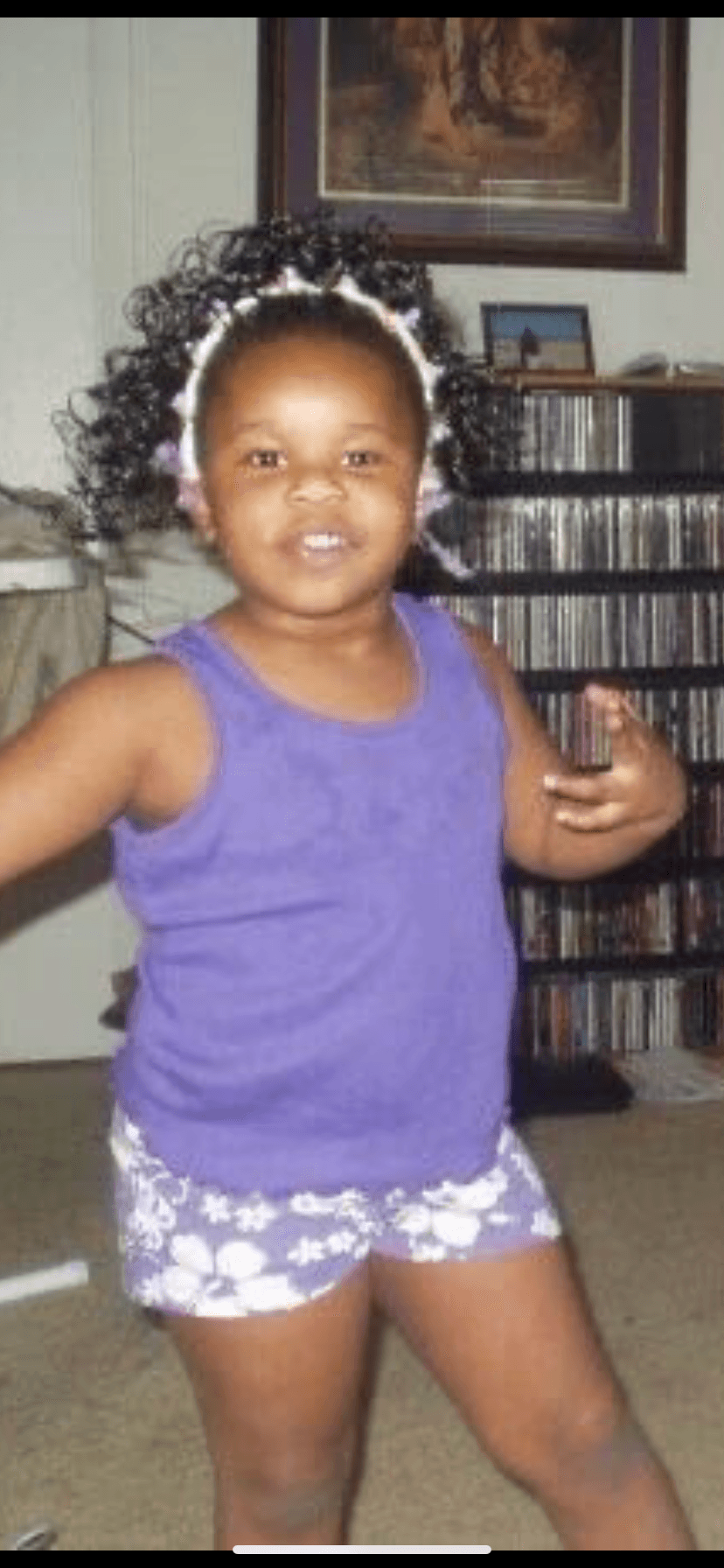
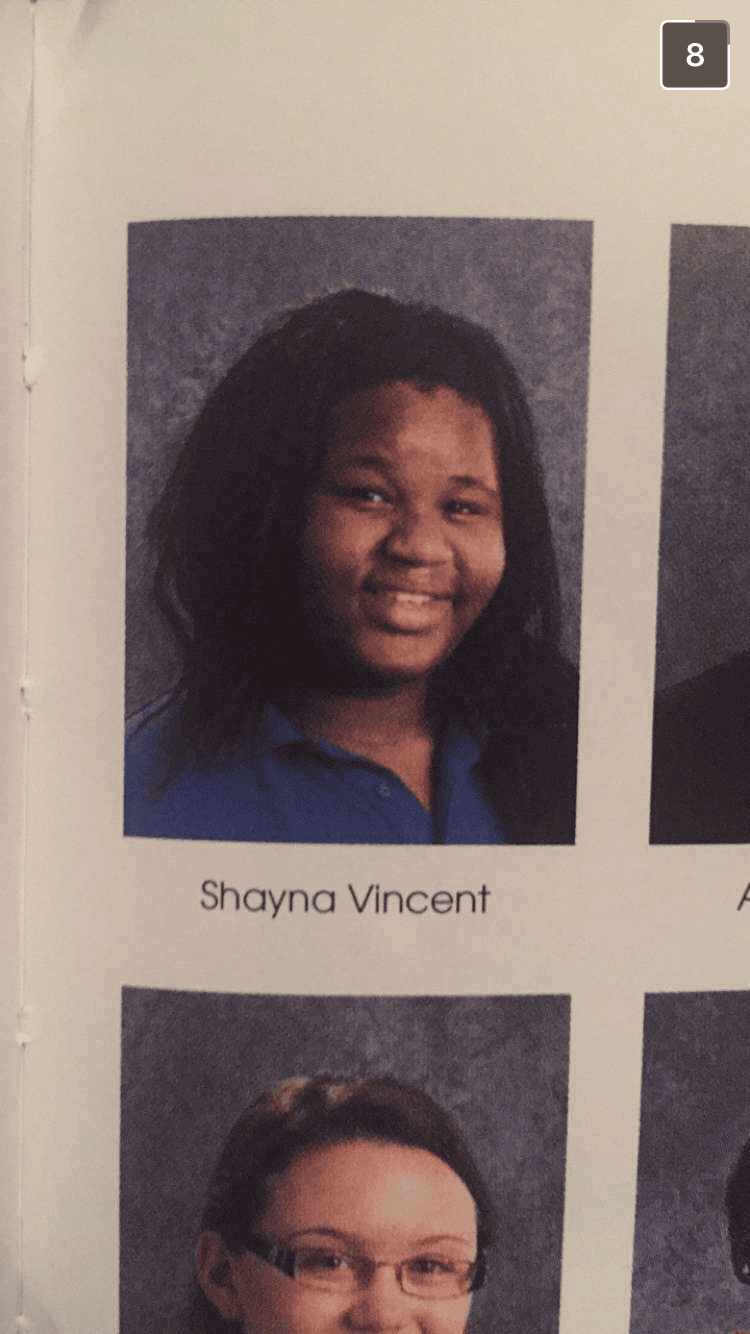
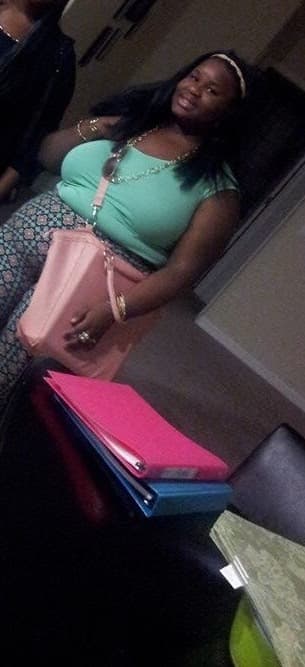
A 504 plan that lived in a folder.
By high school she was on a 504 plan — the document that's supposed to make sure a student with a disability gets what she needs to learn. It was rarely, truly implemented. She was bullied. She stopped going to class. Her GPA sank.
Every program she applied to — the ones built to help students like her — turned her down. Because of the number. And one day a guidance counselor looked at that number and told her to drop out and learn a trade.
A number is not a verdict. It's a list of everything nobody noticed. But nobody was reading it that way.
She walked the stage. They handed her a cover.
She made it to the high school graduation stage — barely. When they called her name, she was handed the purple folder every graduate gets. She opened it later.
Keep scrolling and it opens. That's what it felt like: the ceremony without the thing.
So how does a student who could barely make it to the high-school stage make it to the college-graduation stage?
She got in. She didn't know a single rule.
Shayna went to college not knowing what a scholarship was, what the FAFSA was or why it mattered, what a refund check was for. Nobody around her had needed to know. She dropped out. More than once — for money, for her mental health.
She made it back because she had one thing a lot of kids don't: a stronger mother who refused to let go. That's not a system. That's luck. And not every child gets that luck.
What did Shayna need?
- 01Someone to see a little girl suffering and ask what was wrong.
- 02A teacher to look at a 1.8 and read it as a list of what was missing, not who she was.
- 03A way to tell an adult how she was feeling and what was going on — before it became a dropped class, a dropped year, a dropped-out student.
- 04To learn the system early enough to beat it, instead of falling victim to it.
- 05Someone to say: you are not a product of your environment, and you can do hard things.
EFF K–12.
— Shayna Vincent
From college dropout to the person building the program she needed.
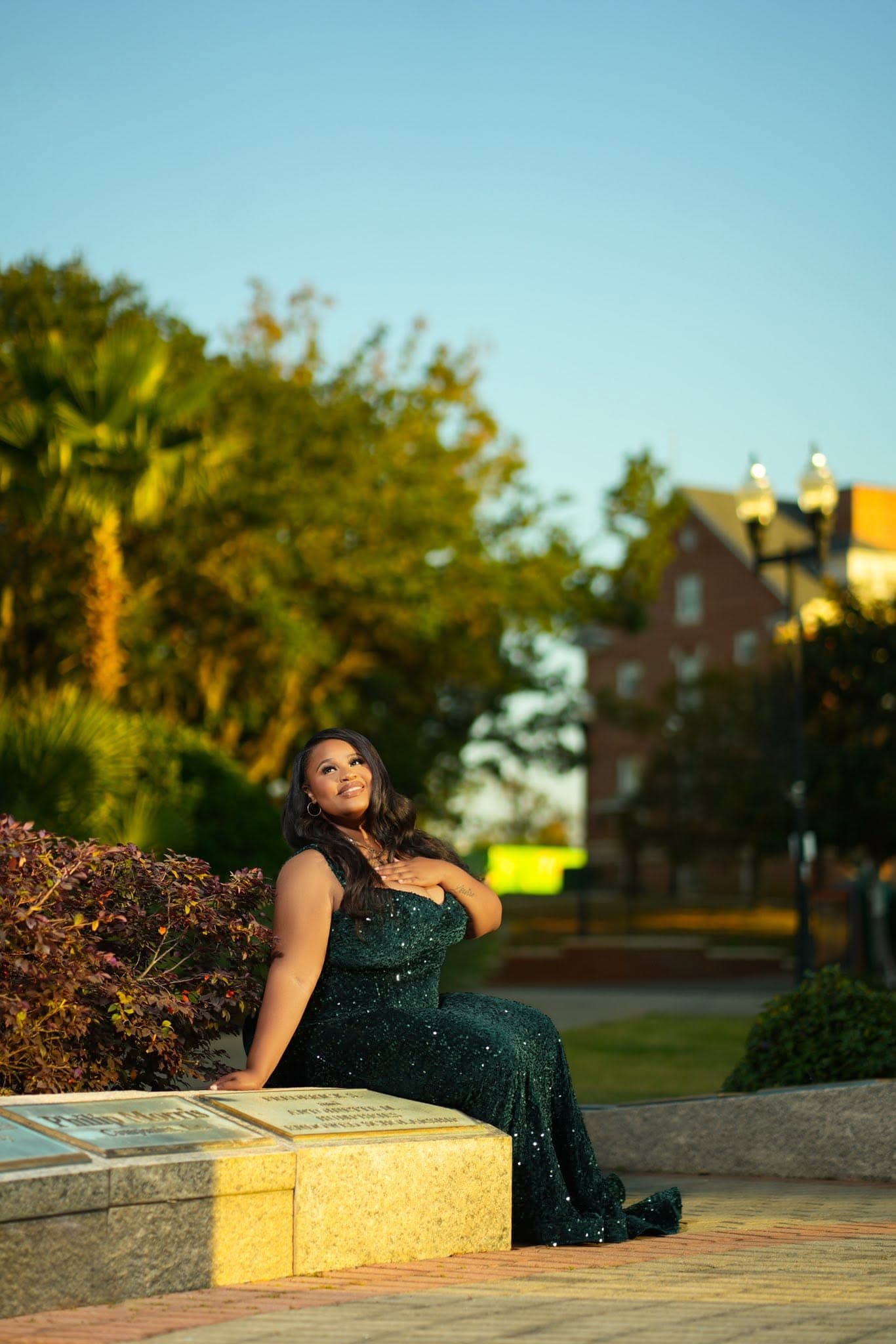
Today Shayna is a school teacher in Title I schools and the founder and executive director of Esther Funds Foundation, a national nonprofit with chapters and members from California to New York to Florida. She teaches in the same kind of schools she grew up in on purpose: to study, every day, what students actually need — and to build it into EFF's programs.
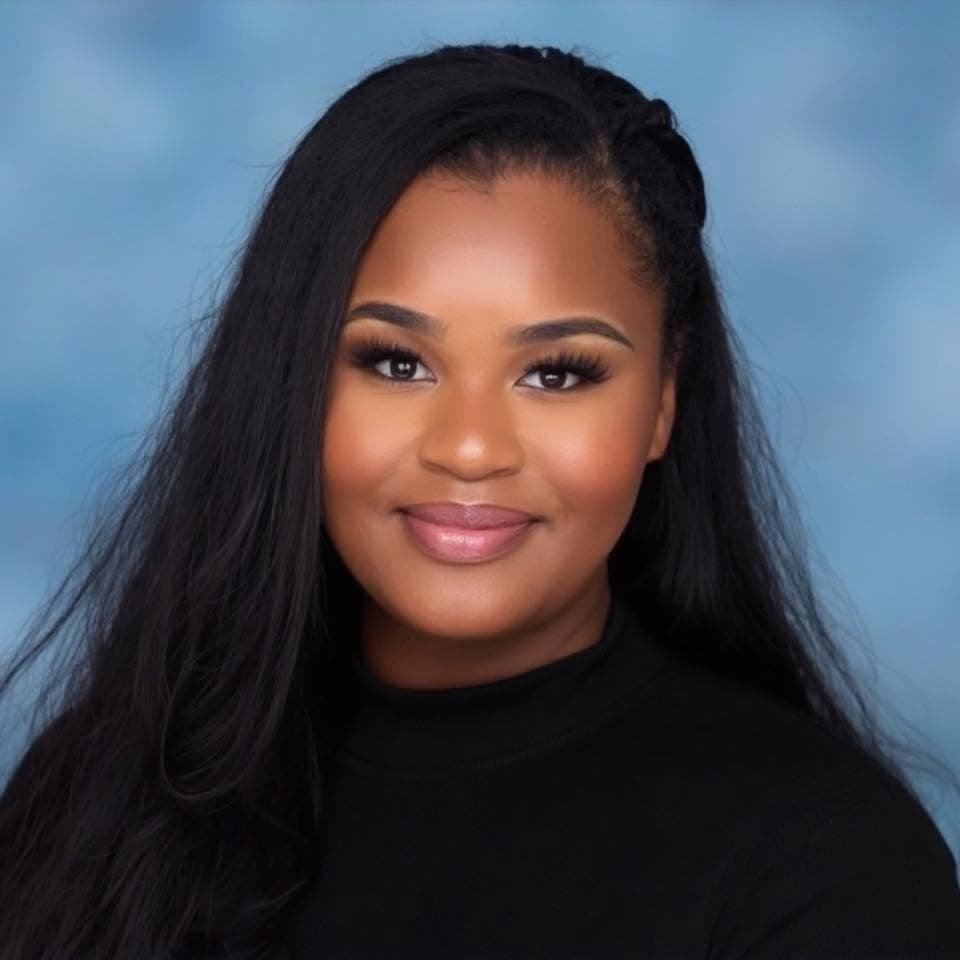
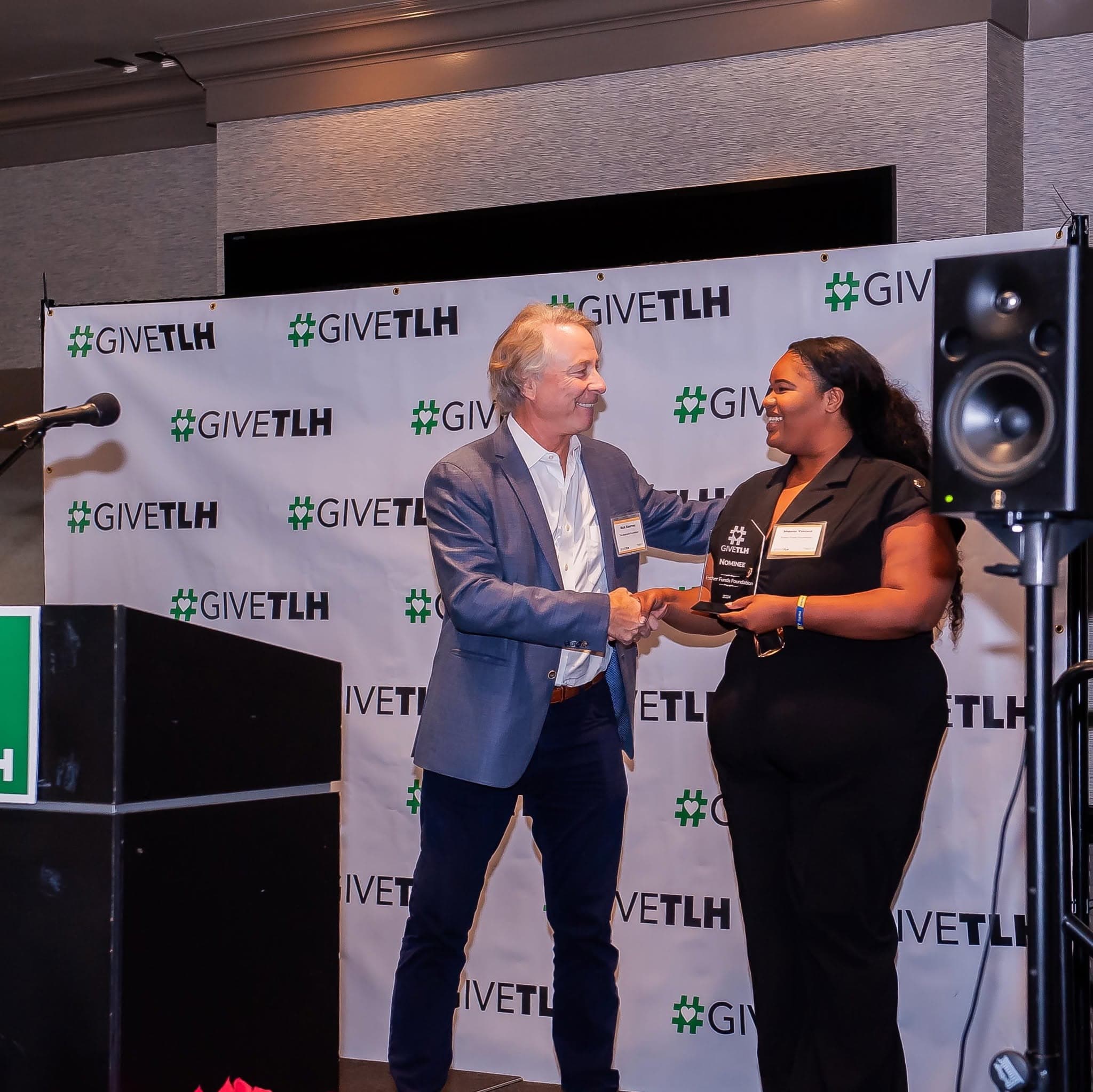
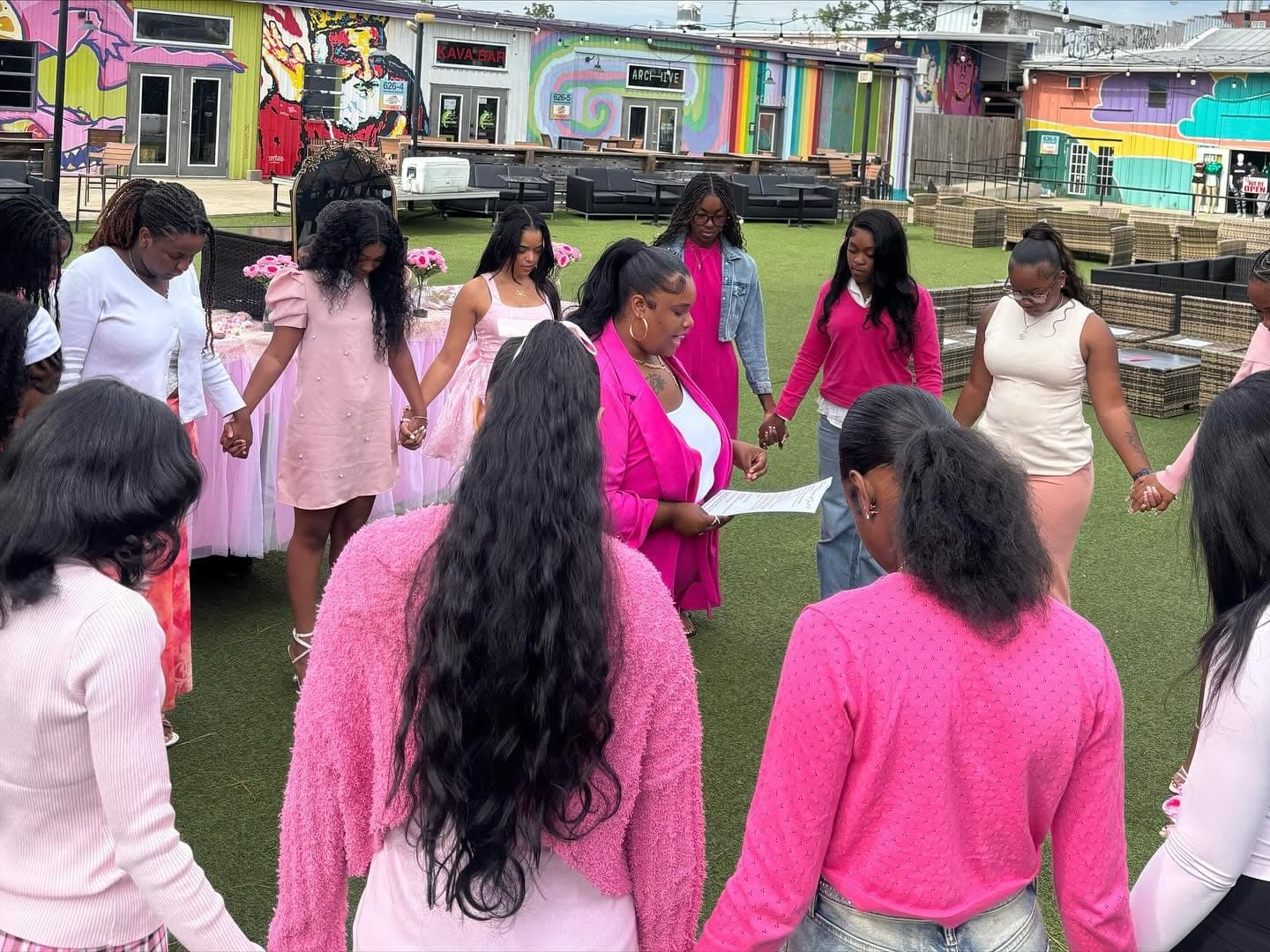
She wasn't supposed to make it. That is exactly why every child in EFF K–12 will be seen, taught the system, given a way to speak up, and told — with someone standing next to them while they do the hard thing — that they can.
We meet them where they are, and we build them up.